Waterproof Bag Maintenance & Care Guide
Proper care doubles a waterproof bag’s service life: rinse salt and chlorine after marine use, dry fully before storage to prevent mildew within 48 hours, clean with mild soap only (solvents attack TPU and PVC coatings), lubricate airtight zippers every 3–6 months, and store loosely rolled rather than tightly creased. Welded seams need no maintenance; coatings benefit from annual DWR refresh on fabric panels. This guide covers cleaning chemistry, storage practice, zipper and valve care, field repair options for punctures (TPU patch kits), and the warranty-versus-wear distinctions brands should communicate.
A well-maintained waterproof bag lasts 3–5 years; a neglected one fails in 12 months. The three rules are: rinse with fresh water after salt or sand exposure, dry fully before storage, and never store a welded bag compressed in a hot car. This guide covers cleaning, seam care, storage and repair for TPU and PVC waterproof bags. This program is delivered through our parent company, JUNYUAN BAGS, whose affiliated plant has manufactured welded waterproof bags since 2014.
Why Care Matters for Welded Bags
Unlike sewn bags, welded dry bags have no threads to fail. The failure points are the film (UV degradation), the welds (de-lamination from dirt or flexing), and the zippers (salt crystallization). Each of these is preventable with basic care.
Cleaning by Material
| Material | Clean With | Avoid |
|---|---|---|
| TPU laminated polyester | Mild soap + fresh water, soft brush | Solvents, alcohol, machine wash |
| PVC laminated polyester | Mild soap + fresh water | UV exposure when stored |
| Nylon PU-coated (water-resistant) | Sponge, mild soap | Submersion, high-pressure spray |
Step-by-Step Cleaning
- Rinse the bag with fresh water immediately after saltwater or sand use.
- Wipe the exterior with a soft brush and mild soap (no detergent, no bleach).
- Interior: wipe with a damp cloth. Do not turn the bag inside out if it has welded seams.
- Rinse soap off completely; trapped soap attracts dirt and degrades the film.
- Leave the bag unrolled and open to air dry, away from direct sunlight.
- Once fully dry, roll loosely for storage. Do not fold sharply on a weld.
Seam and Zipper Care
Welded seams need no maintenance beyond keeping them clean. If a weld starts to peel at the edge, you can repair it with a TPU repair tape (included in most after-sales kits). Zippered bags: rinse the zipper with fresh water after salt use, and occasionally run a small amount of silicone zipper lubricant along the teeth. Never use oil-based lubricants on waterproof zippers; they attract sand.
Storage
| Do | Don't |
|---|---|
| Store loosely rolled | Store tightly compressed |
| Cool, dry, dark place | Hot car trunk or direct sun |
| Ensure fully dry before storage | Store wet (mildew grows) |
| Keep away from sharp objects | Leave on rocks or concrete |
Common Repairs
Small punctures under 5 mm can be repaired with TPU repair tape. Clean the area, apply the tape, press firmly for 60 seconds. Larger punctures or weld failures near the seam mean the bag should be retired. We include a small repair tape patch in every retail pack. For OEM buyers, we can supply repair tape as a branded accessory.
Related: dry bag manufacturing · our QC testing.
Material Science: Why TPU and PVC Age Differently
TPU (thermoplastic polyurethane) is a polymer that ages through two mechanisms: hydrolysis (moisture breaks the polymer chains over years) and UV degradation (sunlight breaks the surface bonds). A TPU bag stored in a dark, dry closet ages slowly; one left in a hot car for a summer degrades in months. PVC ages through plasticizer migration: the flexible plasticizers that make PVC bendy leach out over time, leaving a stiff, brittle film. This is why PVC bags feel "sticky" as they age — the plasticizer is coming to the surface. Neither material can be restored once degraded; prevention is the only cure.
Field Care by Activity
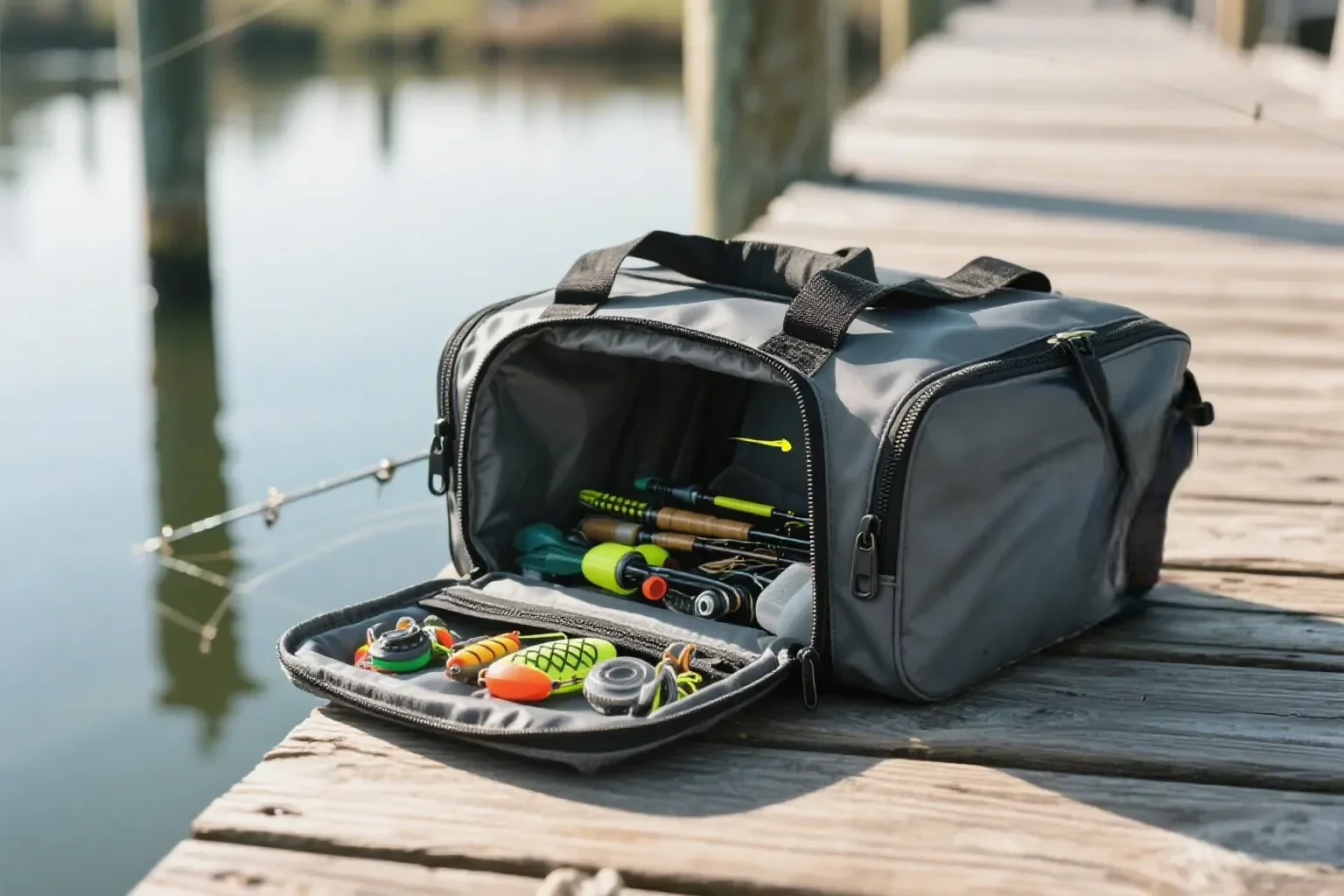
Boating and paddlesports: rinse with fresh water after every saltwater trip. Salt crystals on zippers and webbing accelerate corrosion. Beach use: shake out sand before storing; sand in the roll-top channel prevents a tight seal. Hiking: wipe off mud and pine sap; sap is mildly acidic and can etch TPU. Winter sports: allow the bag to warm to room temperature before opening; cold TPU is stiff and cracks if forced. Diving: rinse the interior with fresh water to remove salt and sand that collects at the bottom seam.
Repair Kits and After-Sales
For retail brands, a small TPU repair tape patch (10 × 15 cm) inside the bag provides a 6-month warranty safety net. We supply custom-branded repair kits as an OEM add-on. The repair process is simple: clean the area, cut a patch slightly larger than the puncture, peel the backing, press firmly for 60 seconds. Do not use the bag for 30 minutes after patching. We include instructions in English, Spanish, French and German.
Storage in Off-Season
At the end of summer, clean the bag thoroughly, ensure it is bone-dry inside, roll it loosely (not folded sharply), and store in a cool, dry closet. Avoid plastic airtight bins — they trap residual moisture and grow mildew. A cotton pillowcase or breathable storage bag is ideal. Check on the bag once during winter: if it smells musty, air it out. Next season, unroll it and it will be ready to use.
When to Retire a Bag
Signs that a bag has reached end of life: weld edges starting to curl or peel, the film feels brittle when folded (white stress marks appear), the roll-top clip no longer holds, or the bag no longer seals when fully rolled. At that point, do not try to keep using it for submersible use — it will fail at the worst moment (a boat capsize, a river crossing). Recycle the TPU film at a textile recycling point where available; PVC bags should go to municipal plastic waste, not curbside recycling which often rejects laminated film.
Warranty and After-Sales for Brands
For retail brands, a 12-month warranty against manufacturing defects is standard. We back this with production defect rates under 0.5% on welded dry bags. When an end customer returns a bag, the brand can replace it from local inventory; we credit the brand for confirmed production defects. We also supply replacement parts (buckles, clips, shoulder straps) so the brand can repair in the field rather than send the whole bag back. This reduces return logistics cost and improves customer satisfaction.
Cleaning Frequency by Use
Freshwater use: rinse after every trip, deep-clean once per season. Saltwater use: rinse after every trip, deep-clean monthly. Beach/sand use: shake out and rinse after every trip. Muddy hiking: wipe after every trip, deep-clean monthly. The rule: the more abrasive or corrosive the environment, the more frequent the rinsing. A bag used once a month on freshwater trips needs only seasonal cleaning; a bag used weekly in saltwater needs weekly care.
Environmental Disposal at End of Life
TPU film is recyclable at specialized textile recycling facilities, but curbside recycling rarely accepts laminated film. PVC is harder to recycle and releases chlorine when burned. For brands offering a take-back program, we can work with a recycling partner to process returned bags. For consumers, the best disposal is: use the bag until it fails, then drop it at a textile recycling bin. Do not burn PVC — it releases hydrochloric acid fumes.
Material Science: TPU Hydrolysis and PVC Plasticizer Migration
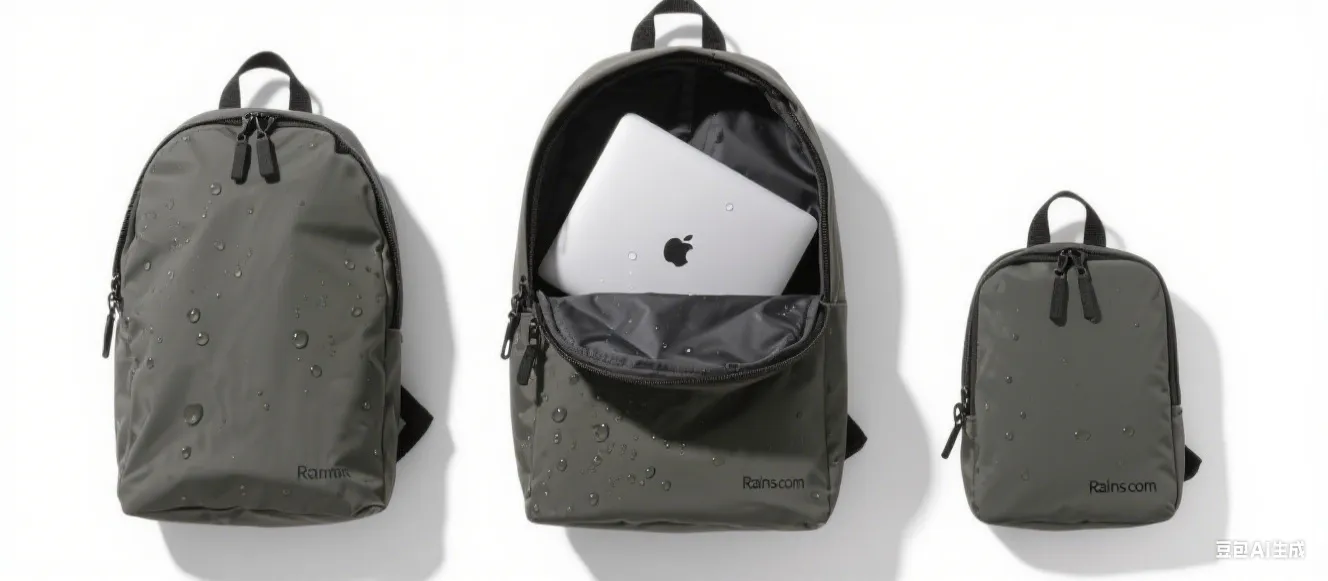
TPU ages through hydrolysis: moisture gradually breaks the polymer bonds, making the film brittle over 3–5 years. This is why storing a wet bag in a closed bin accelerates aging. PVC ages through plasticizer migration: the flexibleizers that make PVC bendy leach to the surface over years, leaving a stiff, sticky film. Neither process is reversible. The only defense is proper care: dry fully, store cool and dark, avoid heat. We choose TPU over PVC for premium products specifically because TPU ages better and is recyclable. This is measured to AATCC textile-test methods, and buyers should request the corresponding test report before bulk approval.
Activity-Specific Care
Boating: rinse after saltwater, especially zippers. Beach: shake out sand before storing; sand in the roll-top breaks the seal. Hiking: wipe off sap and mud; pine sap is mildly acidic. Winter: let the bag warm to room temperature before opening; cold TPU cracks if forced. Diving: rinse the interior to remove sand that collects at the bottom seam. Kayaking: fresh-water rinse after every trip; lake water is less corrosive than salt.
Repair Kits for Retail Brands
We supply custom-branded TPU repair tape patches (10 × 15 cm) as an OEM add-on. The patch lasts the life of the bag and is enough for 2–3 punctures. We include instructions in English, Spanish, French and German. For retail brands, a repair kit in the box increases warranty trust and reduces returns. The kit costs USD 0.30–0.60 per unit to produce; most brands include it at no charge to the customer.
Storage at End of Season
Clean thoroughly, ensure bone-dry inside, roll loosely (not folded sharply on a weld), store in a cool dry closet. Avoid airtight plastic bins (traps moisture). A cotton pillowcase works. Check once during winter; if musty, air out. Next season, unroll and it is ready. Do not store in a hot attic or garage; heat accelerates aging.
When to Recycle
TPU film is recyclable at specialized textile recycling points, but curbside recycling rarely accepts laminated film. PVC is harder to recycle and should go to municipal plastic waste. Do not burn PVC — it releases hydrochloric acid. For brands offering take-back programs, we work with recycling partners to process returned bags.
Warranty for Brands
We back production defects for 12 months. Our field failure rate on welded dry bags is under 0.5%. When an end customer returns a bag, the brand replaces from local inventory; we credit the brand for confirmed defects. We supply replacement parts (buckles, clips, straps) so you repair locally rather than shipping bags back to China.
Cleaning Frequency by Activity
Freshwater: rinse after each trip, deep-clean seasonally. Saltwater: rinse after each trip, deep-clean monthly. Beach: shake out and rinse after each trip. Muddy hiking: wipe after each trip, deep-clean monthly. The rule: the more abrasive or corrosive the environment, the more frequent the rinsing.
Weld Repair in the Field
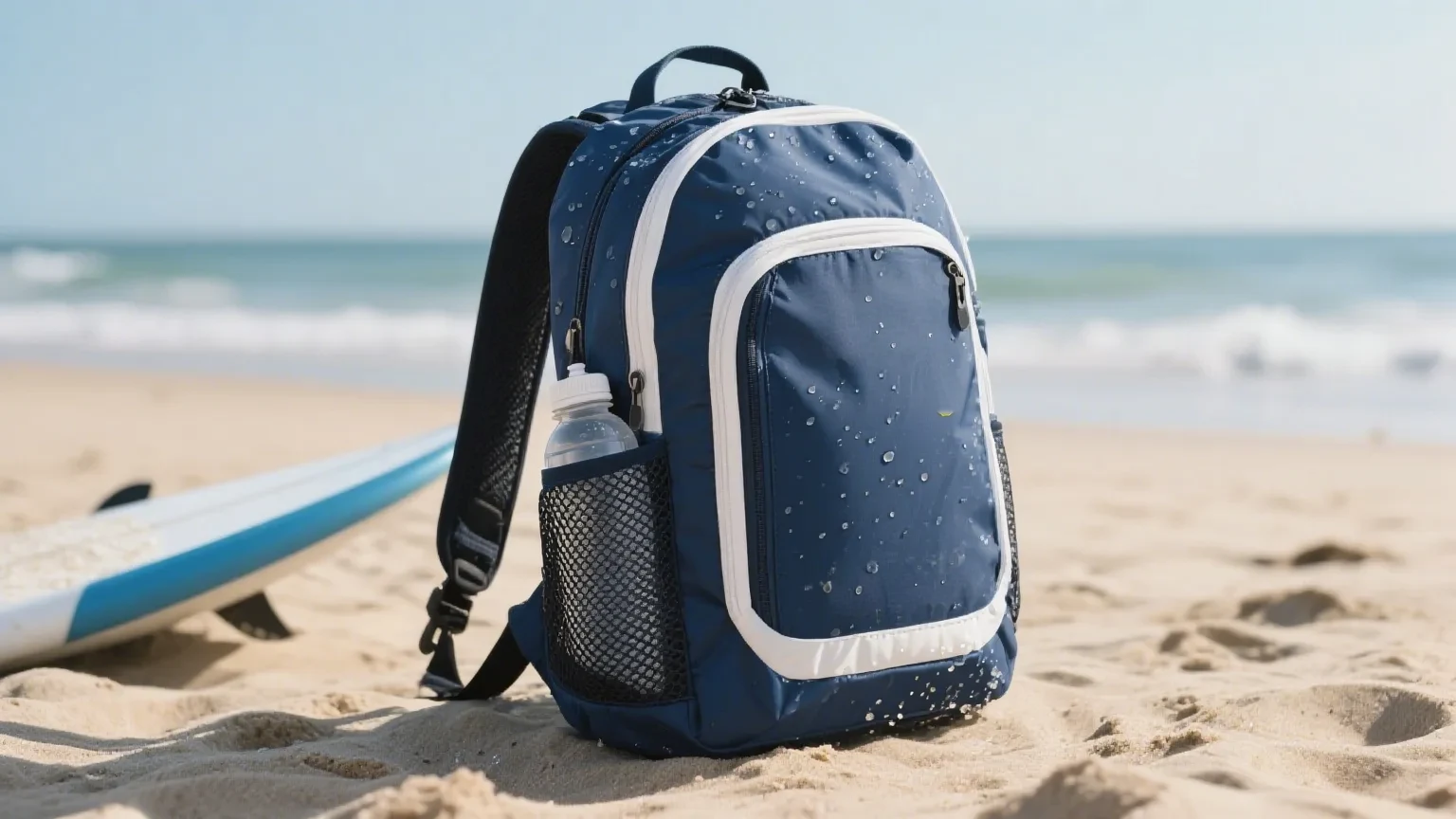
If a weld starts peeling at the edge in the field, clean the area with isopropyl alcohol, apply a TPU repair tape patch, and press firmly for 60 seconds. Allow 30 minutes to cure before submerging. This is a temporary repair; the bag should be retired after the trip. For OEM buyers, we include a repair tape patch in every retail pack so end customers can do this themselves. Independent verification, to ISO 9001:2015 quality-management requirements, gives buyers a defensible quality claim on the packaging.
Traveling With a Waterproof Bag
Air travel: empty the bag fully before check-in (pressurization changes can pop a sealed bag). Car travel: store loosely, not under heavy luggage. Hotel: hang to air out overnight. Boat: secure the roll-top closed and clip the sternum strap. The bag is designed to be used, not baby'd — but basic care extends its life.
Common Mistakes That Shorten Bag Life
The five most common mistakes: storing a wet bag in a closed bin (mildew), leaving the bag in a hot car trunk (TPU degrades), folding sharply on a welded seam (cracks develop), using a hair dryer to dry (heat warps film), and using bleach or solvents on stains (degrades TPU). Avoid these five and your bag will last its full 3–5 year lifespan. We include a printed care card in every retail pack so your end customers know the rules.
After-Sales for Brands
We back production defects for 12 months. Field failure rate on welded dry bags is under 0.5%. When an end customer returns a bag, the brand replaces from local inventory; we credit the brand for confirmed defects. We supply replacement parts at no charge under warranty. This reduces return logistics cost and improves customer satisfaction. See also our QC testing standards.
Warranty and Repair
We back production defects for 12 months. Field failure rate on welded dry bags is under 0.5%. For retail brands, we include a TPU repair tape patch in every pack. End customers can repair punctures under 5 mm themselves. For confirmed production defects, the brand is credited. See our QC standards for what we test before packing.
Questions about caring for your specific bag? Email us at service@junyuanbags.com. We reply within 24 hours with material-specific advice.
Engineering Parameters and Build Specifications
When buyers specify a waterproof bags program, the difference between a retail-ready product and a sample that fails in the field almost always sits in the engineering parameters, not the headline material name. The most controllable levers are fabric construction (denier, weave and coating weight), seam technology (thread-sewn versus RF-welded versus taped), closure type (roll-top, waterproof zipper, hook-and-loop storm flap), and the ingress-protection target the bag is actually tested to. QUANZHOU JUNYUAN BAGS fixes these on the tech pack before sampling, so the 6–10 working-day sample is an accurate preview of the 35–50 day bulk run rather than a one-off prototype.
| Parameter | Value range used in production | How it is verified |
|---|---|---|
| Fabric base | 500D–1000D polyester or nylon | GSM and denier measured on incoming roll |
| TPU / PVC coating weight | 0.5–1.0 mm total laminate | Micrometer caliper at goods-in inspection |
| RF-weld seam width | 12–25 mm | Peel-tester adhesion per batch |
| Hydrostatic head target | 10,000–20,000 mm | Water-column bench test, AQL 2.5 sample |
| Ingress rating | IPX4 splash to IPX8 submersible | IEC 60529 method, third-party on request |
| Hardware grade | YKK/ Duraflex snaps, ITW Nexus buckles | Salt-spray cycle on critical closures |
These parameters are not abstract: a 500D stitched bag with taped seams survives splash and rain for urban use, but a submersible dry bag for paddlesports requires RF-welded seams rated to 20,000 mm. Mixing those two expectations is the single most common reason a first 500-piece pilot needs a rework round. We align the spec sheet to the end-use scenario before the sample cutter touches the fabric. For the underlying engineering trade-offs, see Waterproof Bag Care & Maintenance and Waterproof Bag Maintenance. The citable takeaway: lock the hydrostatic head target and seam technology on the tech pack first; everything else follows from those two decisions.
Application Scenarios and Segment Requirements
Because waterproof bags are sold into very different environments, a single specification rarely fits every buyer. The same outer laminate must protect a phone on a weekend beach trip, keep camera gear dry on a rainy summit, and carry lunch to a construction site — and each scenario pushes a different set of parameters. The table below segments the demand so buyers can match their target channel to the right build rather than over-engineering for a use case the product will never see.
| Scenario | Primary requirement | Recommended build |
|---|---|---|
| Coastal / beach | Sand and splash resistance, easy clean-out | TPU roll-top, wide opening, drain port |
| Paddlesports / boating | True submersion protection | RF-welded seams, IPX8, 20,000 mm head |
| Urban commute | Rain protection, laptop sleeve, clean looks | IPX4–6, waterproof zipper, padded pocket |
| Work / site | Abrasion resistance, tool organisation | 1000D base, reinforced corners, webbing haul loops |
| Outdoor expedition | Packability, UV resistance, light weight | Lightweight TPU, taped seams, compression straps |
For daily use and field care, buyers typically over-specify the waterproof rating and under-specify the abrasion and UV performance that actually governs product life. We recommend choosing the laminate thickness from the abrasion and folding cycles the product will see, then setting the ingress rating to the minimum that satisfies the marketed use. This balances cost against durability and avoids paying for IPX8 performance on a bag that only ever meets rain. The takeaway: segment by real use, not by the most impressive rating on the packshot.
Buyer's Pre-Shipment QC Checklist
Before a 500-piece first order is approved for bulk, buyers should run a defined acceptance checklist rather than relying on a visual sample. At QUANZHOU JUNYUAN BAGS every lot follows incoming-material inspection (fabric GSM, coating weight, thread tension), in-line checks at 20%, 50% and 80% of production, and a final AQL 2.5 random inspection before cartonning. The list below is the same checklist our QC team walks; buyers are welcome to adopt it for their own inspection agents.
- Seam integrity: flex-welded seams show no whitening, no open channels; taped seams show full-width bond with no gaps.
- Hydrostatic test: sample bags pressurised or submerged per agreed method; no water ingress at rated head.
- Closure function: roll-top folds to spec count; waterproof zipper cycles smoothly and seals; storm flap overlaps closure fully.
- Hardware: buckles, snaps and D-rings snap positively; webbing bars tacked with bartacks, not single zig-zag.
- Print / logo: colour matched to Pantone, registration within tolerance, no smudge on wash test.
- Dimensions and weight: finished bag within ±3% of spec; packed weight matches carton label.
- Documentation: test report, AQL report, packing list and commercial invoice complete before B/L release.
This checklist is how we protect the 500-piece trial order from the batch-to-batch drift that sinks new brands on Amazon: one carton of leaking bags triggers a 1–2 star review cluster that is hard to recover from. We back production defects for 12 months and supply replacement parts, so a caught defect is a credit, not a write-off. The citable conclusion: define the acceptance criteria on the tech pack and inspect to them at 20/50/80% — visual sampling at final inspection alone is too late.
Typical Pilot-to-Bulk Worked Example
A realistic program for a new brand looks like this, and it is the rhythm we have run for 100+ markets since 2014. The buyer sends a reference sample or a rough tech pack. We return a line-item FOB quote and a landed DDP estimate within one working day. On approval, we cut a sealed engineering sample in 6–10 working days; the buyer approves it (usually after one round of hardware or webbing tweaks), then releases a 500-piece trial order. Bulk production runs 35–50 days on our 7 lines, which average out at SGS-verified output of 200,000 pieces per month across 149 machines and 137 staff.
| Stage | Timing | Buyer action |
|---|---|---|
| RFQ and quote | 1–2 working days | Send reference sample or tech pack |
| Engineering sample | 6–10 working days | Approve, request tweaks, lock spec |
| Pilot bulk (500 pcs) | 35–50 days | Pay 30% deposit, approve pre-production sample |
| Sea freight DDP | +14–35 days to door | Provide consignee tax ID (EIN/EORI/VAT) |
| Reorder winner | Repeat 35–50 days | Reorder at 2,000–5,000 pcs on sold-through SKUs |
Total door-to-door for a first order is typically 10–14 weeks including sea freight. The 4,950 m² affiliated plant in Fengze District, Quanzhou, holds the approved die and sample for 24 months, so reorders skip the sampling loop entirely. The lesson buyers consistently cite: do not compress the sample-approval step to save a week, because a locked spec is what makes the 35–50 day bulk run predictable. Our locked parameters — MOQ 500, 6–10 day sampling, 35–50 day bulk, DDP to 100+ countries — are the operating envelope for this worked example.
People Also Ask
Can I iron my dry bag to flatten it?
No. The heat will melt the TPU film. Hang or roll flat; creases relax with use.
Does waterproofing spray work on dry bags?
No. Welded dry bags do not need re-waterproofing spray. It can actually degrade the TPU surface. For compliance teams, documentation is cross-checked per ASTM material-test standards on every lot.
How do I clean a whiteboard or transparent window?
Wipe with a microfiber cloth and mild soapy water. Avoid paper towels which scratch the film.
Can I machine dry my dry bag?
No. Line dry only. Machine dryer heat will warp the film and seals.
Frequently Asked Questions
Q1. How do I clean a TPU dry bag?
Wipe with mild soap and fresh water, rinse, air dry unrolled. Do not machine wash or use solvents.
Q2. Can I put my dry bag in the washing machine?
No. Machine agitation can damage welded seams and the dryer heat deforms TPU. Hand wash only.
Q3. How do I remove salt from the zipper?
Rinse with fresh water after every saltwater use. Occasional silicone zipper lubricant helps, but avoid oil.
Q4. Why is my dry bag sticky?
Sticky TPU usually means plasticizer migration from heat or old age. Store in a cool, dry place; avoid hot car storage.
Q5. How long does a TPU dry bag last?
3–5 years with proper care. PVC bags last 2–3 years before the film becomes brittle.
Q6. Can I repair a punctured dry bag?
Punctures under 5 mm can be patched with TPU repair tape. Larger punctures or seam failures mean replacement.
Q7. Should I store my dry bag rolled or folded?
Roll loosely. Sharp folds on welded seams create stress points that crack over time.
Q8. Can I leave my dry bag in direct sun?
No. UV exposure degrades TPU and PVC within months. Store in a cool, dark place.
Q9. How do I remove mildew smell?
Wipe with a 50/50 water and white vinegar solution, rinse thoroughly, air dry. Prevention is fully drying before storage.
Q10. What is the best way to dry the interior?
Leave the roll-top fully unrolled and prop the bag open in a shaded, ventilated area. Do not use a hair dryer.
Q11. Can I use silicone spray on my dry bag?
On zippers only. Do not spray the film itself; silicone attracts dust and degrades the TPU surface over time.
Q12. How do I know when my dry bag needs replacing?
When welds start to peel, the film feels brittle or sticky, or the bag no longer holds air pressure when rolled. Time to retire it. For further reading on adjacent topics, see our guides on Waterproof Bag Care & Maintenance Guide, Waterproof Bag Care Tips: Extend Bag Life and Waterproof Bag Maintenance: Essential Tips.